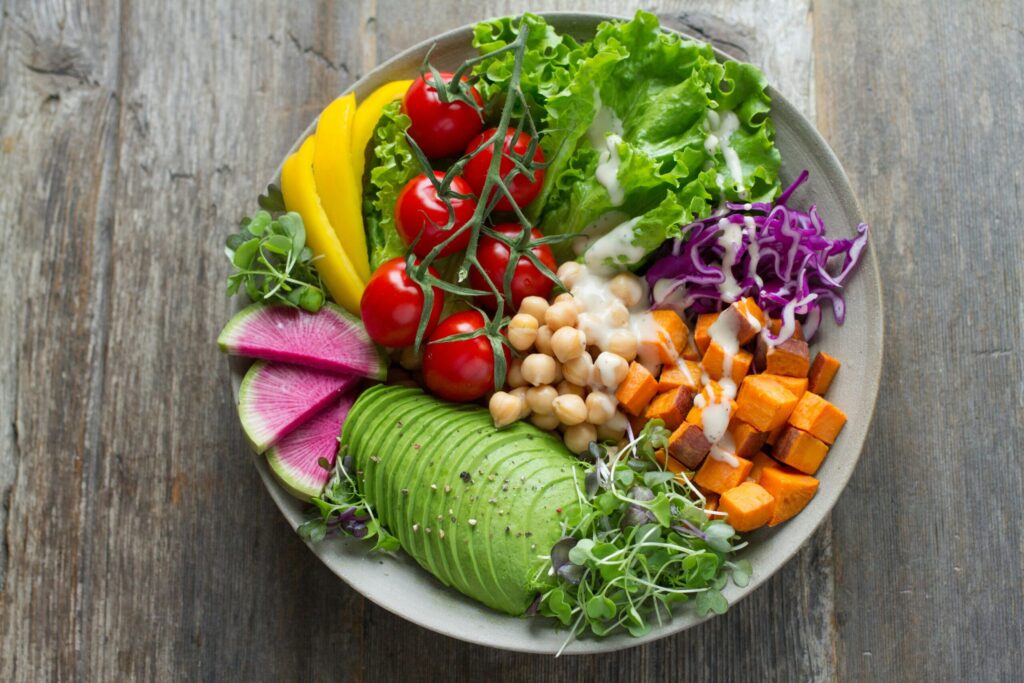
Walk down any grocery aisle right now and you’ll find protein chips, protein ice cream, and even protein sparkling water. The message is loud and clear: you’re probably not getting enough. But how much protein do you actually need? As usual when marketing meets science, the answer is a lot less dramatic than the packaging suggests.
1. Most People Already Get Plenty
Today’s recommendation comes from nitrogen balance studies that go back about 70 years. Researchers tracked how much nitrogen (a marker of protein) went into the body and how much came out. That told them how much people needed to eat to replace what they lost.
They then added a safety buffer, since not everyone is average. The result is the Recommended Dietary Allowance, or RDA. It’s about 0.36 grams of protein per pound of body weight per day. For a 150-pound adult, that’s roughly 54 grams.
Here’s the twist. Americans already eat about 50% more protein than the RDA. That’s a buffer on top of a buffer. Protein has never been a nutrient of concern for people who eat a reasonably varied diet. As Stanford nutrition researcher Dr. Christopher Gardner put it on Science Friday: “Stop obsessing about protein.”
So for most adults, the honest answer to how much protein you need is probably about what you’re already eating.
2. Your Body Can’t Save It for Later
It’s tempting to think extra protein gets banked for a rainy day. It doesn’t. Your body can store plenty of fat and a limited amount of carbohydrate. It has no storage space for protein.
Once your body covers its daily repair work, the leftover protein gets broken down. The nitrogen is removed, and the rest becomes carbohydrate or gets stored as fat. More protein than you need doesn’t mean more muscle. It mostly means pricier calories.
There’s a bigger tradeoff, too. Focusing only on how much protein is on your plate leaves less room for everything else. Usually that means fewer vegetables, beans, and whole grains.
3. Fiber Is What Most of Us Are Missing
If there’s a nutrient worth a little obsession, it’s fiber. Only about 5% of Americans get enough of it. Fiber just isn’t glamorous. Protein gets linked to strength and fitness. Fiber gets linked to prunes and awkward conversations about “regularity.”
But fiber does a lot. Your body can’t digest it, so it travels all the way to your colon. There, it keeps you regular and supports digestive health. It also feeds the bacteria in your gut. As they break it down, they make compounds that help lower inflammation. Without enough fiber, those bacteria may start feeding on your gut’s protective mucus lining instead.
This matters during pregnancy. Pregnancy hormones slow digestion, and constipation is a very common complaint. The recommended fiber intake rises to about 28 grams a day during pregnancy and 29 grams while breastfeeding. Yet pregnant people in the U.S. average closer to 19 grams.
If you’re tracking how much protein you eat, it might be worth tracking fiber too. (One more evidence-based note: commercial gut microbiome tests are ahead of the science. Save your money and just eat more beans!)
4. Plants Count as Protein
Protein is built from 20 amino acids. Every plant food contains all 20, just in different amounts. In fact, the amino acid mix in chickpeas, lentils, and whole grains is closer to meat than most people expect. Plants have less protein per bite, but they can easily cover your needs.
That’s good news, because beans and lentils give you protein and fiber in the same package. Most protein bars and drinks rely on whey and soy, and they rarely bring fiber along for the ride. So when you think about how much protein you’re getting, the lentil soup counts.
5. Pregnancy and Breastfeeding Change the Math
This is the part our patients ask about most. Protein needs really do go up when you’re growing a baby or making milk.
The RDA during pregnancy is 1.1 grams per kilogram of body weight. That works out to about 25 extra grams a day in the second and third trimesters. Breastfeeding raises it to about 1.3 grams per kilogram.
The good news? Most pregnant people in the U.S. already eat enough to cover it. National survey data puts average intake above the pregnancy RDA in every trimester. Some newer research suggests needs may be higher in late pregnancy, so this is an area worth watching.
Shortfalls usually happen when nausea, food aversions, or a restrictive diet cut into what you can eat. About one in eight people in the second and third trimesters fall below the recommended amount. If that sounds like you, a protein shake usually isn’t the first answer. A Greek yogurt, a handful of nuts, an egg, or a bowl of lentil soup can close the gap. Those foods bring other nutrients along with them.
Every pregnancy is different. If you’re unsure how much protein is right for you, talk with your OB or midwife. We’re happy to talk it through too.
Whole Foods Win
The best advice is also the simplest. Eat more vegetables, fruit, and legumes. Choose whole foods over products with protein added. It’s not flashy, but it works.
At Pinetree, we believe good care starts with clear, honest information. Nutrition conversations are often part of how we support patients, especially during pregnancy and postpartum recovery. We’d rather teach you how to build a good plate than sell you a shake.
Have questions about how much protein you need while pregnant or postpartum? Book a visit online or call us at 207-846-9292. We’re always happy to talk it through.